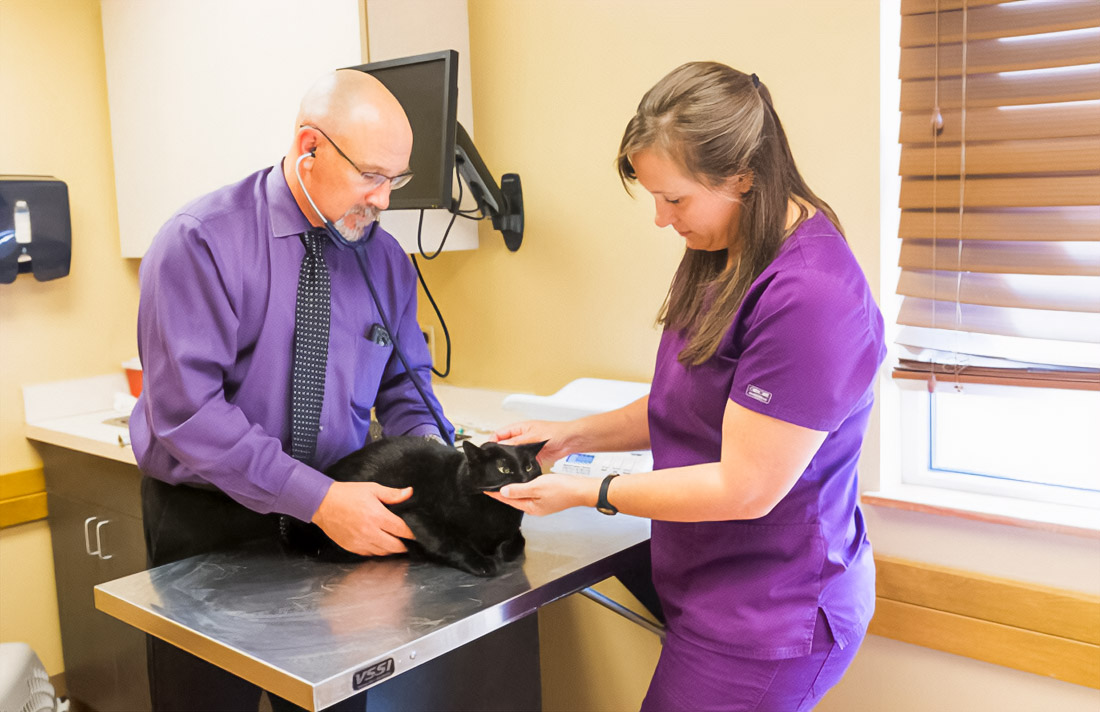
The attitude towards pets has changed radically in recent years. A pet is now seen as a full-fledged family member, an emotional companion, and an integral part of daily life rather than merely an animal in the house. This change, sometimes known as “pet humanisation”, has emerged as a crucial element in the evolution of the animal care industry as a whole: from nutrition and preventive health to services, infrastructure and regulatory requirements.
The owner’s and pet’s emotional bond is no longer just a theoretical idea. It directly affects people’s behaviour, their expenses, expectations of services, and quality requirements. Owners are increasingly making long-term commitments, focusing not on minimally adequate care, but on the well-being, comfort and quality of life of animals.
Ownership Growth and Owner Profile Change
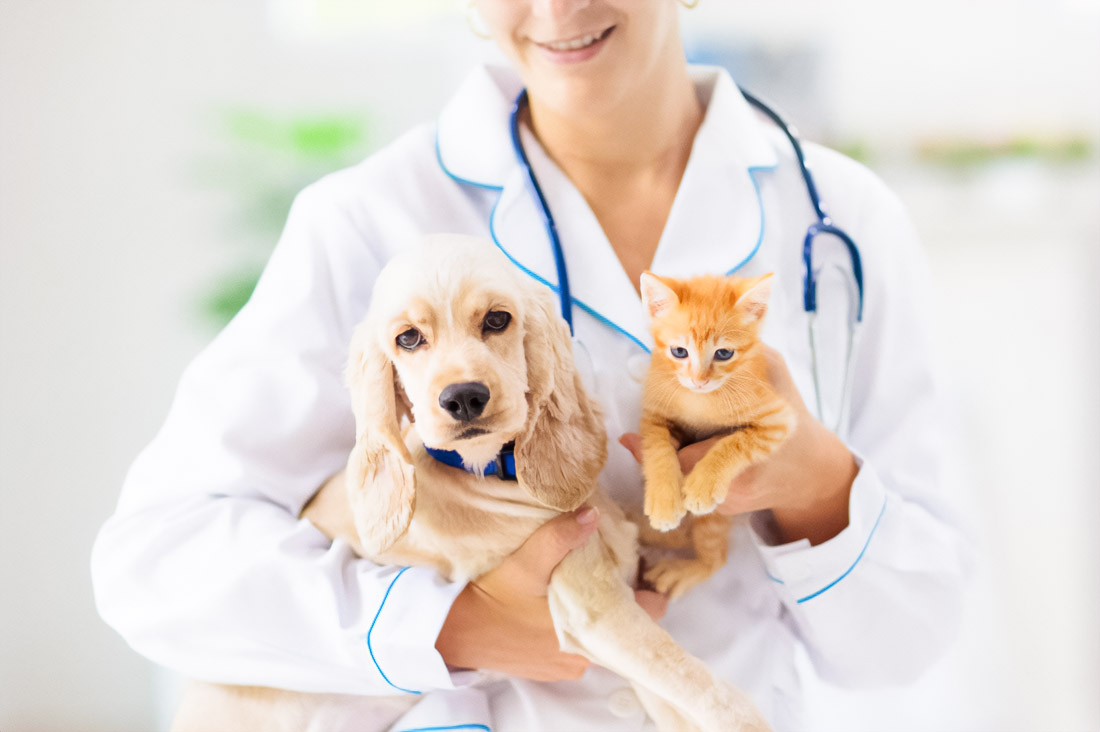
Between 2020 and 2024, the number of pet owners rose by almost 30% following the epidemic. Currently, about two million pets are kept by around 1.5 million owners. This is no longer a niche group but a massive and socially active audience regularly interacting with vets Dubai for preventive care, and ongoing health support
A modern owner is usually a person with an urban lifestyle, often living in an apartment or multi-storey building, with a busy schedule and a high level of digital engagement. For him, a pet is a source of emotional stability, a sense of home and affection. That is why the convenience of services, trust in specialists and an individual approach come to the fore.
Urbanization, Climate, and Informed Pet Choice
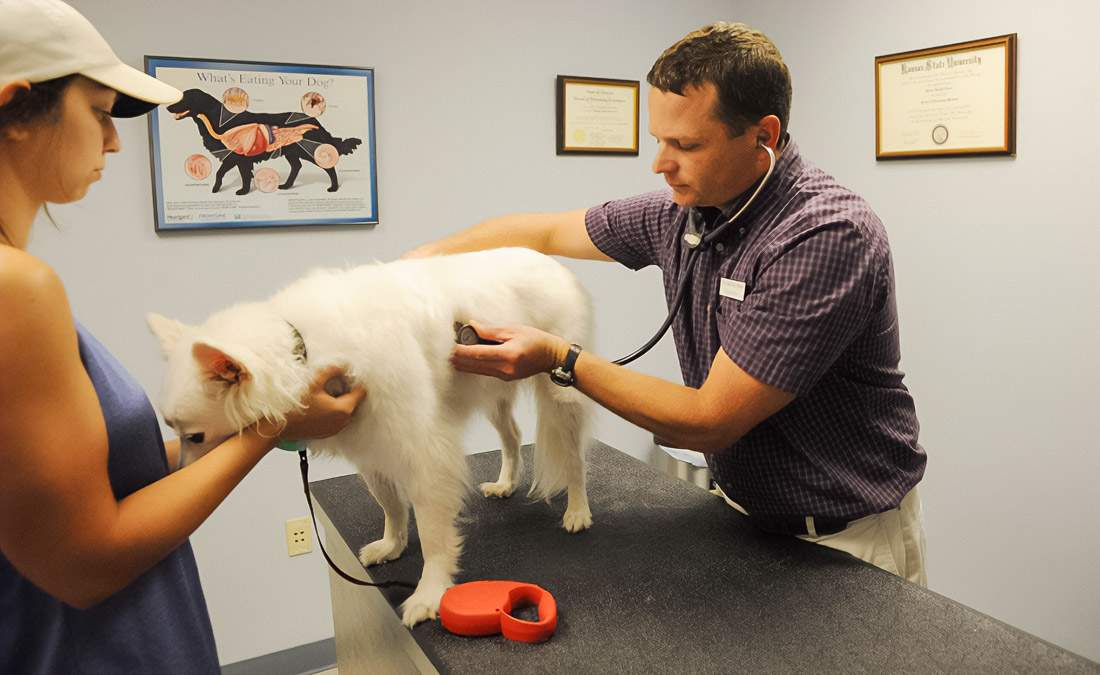
The urban environment and climate directly affect the ownership structure. In conditions of apartment living and hot weather, owners are increasingly making an informed choice in favour of animals that adapt well to indoor conditions. This reflects the general trend of responsible ownership, which takes into account not only the desires of a person but also the real needs of a pet.
This approach reduces stress in animals, simplifies care, and increases overall emotional stability in the home. Choosing a pet is increasingly seen as a long-term decision that requires an assessment of lifestyle, available time, and financial options.
Moving From Basic Care to Prevention and Well-Being
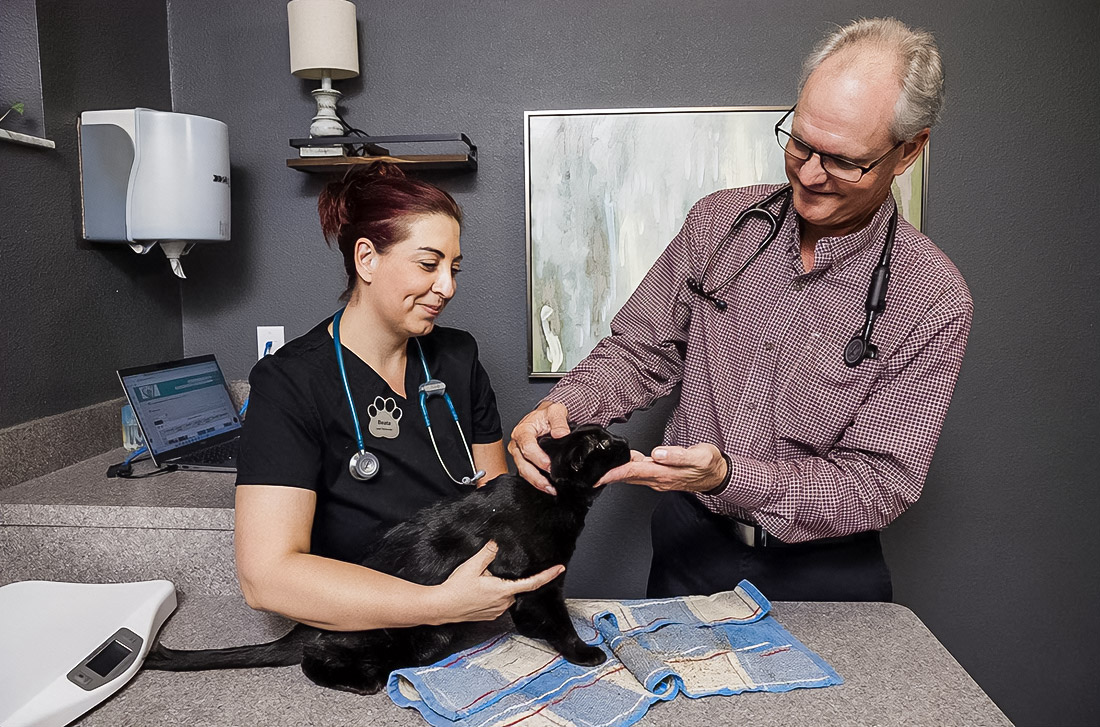
One of the most noticeable changes was the shift in focus from reactive care to preventive care. Owners are increasingly investing in the health and longevity of pets in advance: regular checkups, quality nutrition, hair and skin care, and support for internal health.
The growth of the food market reflects this trend especially vividly. Over the decade, its volume has increased by more than 250%, from about 62 million to 219 million. This is not just an increase in consumption but a transition to an informed choice, where nutrition is seen as the foundation of health, and not as a utilitarian necessity.
At the same time, there is a growing interest in supportive products and preventive solutions aimed at reducing the risks associated with age, climate and stress of the urban living – areas increasingly monitored and advised on by experienced vets dubai.
Convenience and Mobile Services as the New Norm
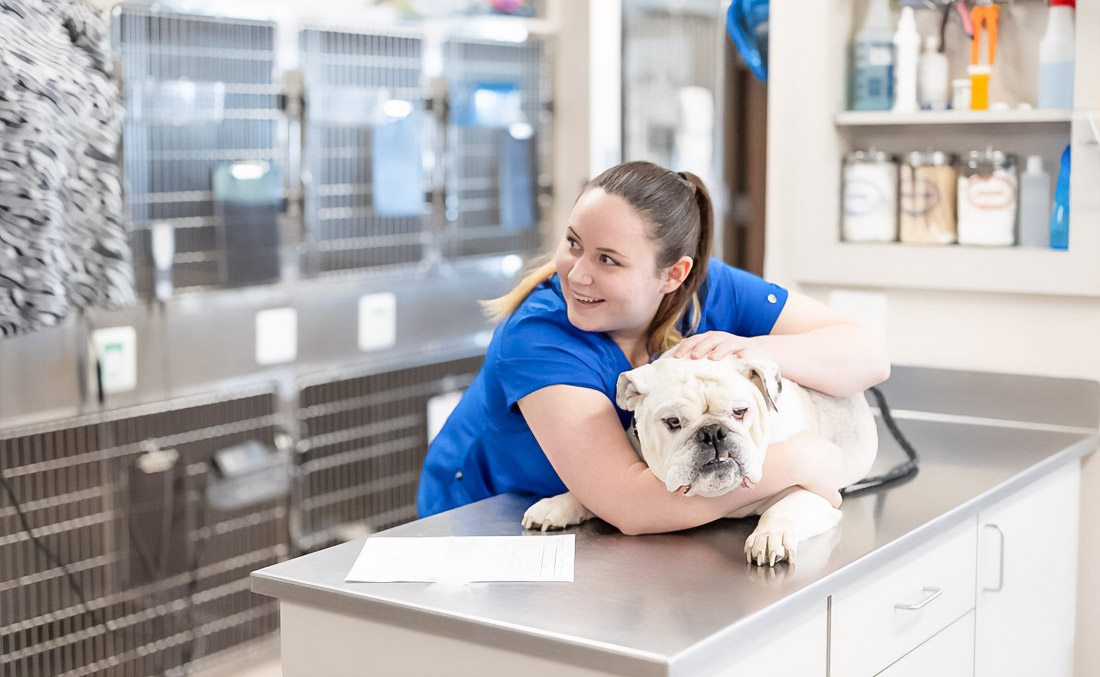
The modern urban rhythm makes convenience a key value. The owners are looking for solutions that save time, reduce workload and do not disrupt the usual way of life. That is why mobile and home care formats have become not an addition, but an expected standard.
Home-based services reduce stress levels in animals, eliminate transportation and waiting, and create a sense of safety and comfort. For owners, this means control, predictability, and confidence in the quality of care. Professional service is increasingly perceived not as a luxury, but as a basic part of responsible ownership.
Economic Maturity of the Market and Willingness to Pay for Quality
The change in the attitude towards pets directly affects the costs. The average monthly cost per pet today ranges from 500 to 2000. These amounts include not only meals but also regular care, prevention, specialist services and related services.
The overexposure and care market is showing steady growth: from about 25.5 million in 2024, it is projected to increase to 44.1 million by 2030. This is an indicator that the owners are willing to pay for trust, safety and peace of mind, especially in conditions of frequent trips and busy schedules.
Regulation as Part of Responsible Ownership
As the number of pets increases, the role of rules and institutional mechanisms increases. Mandatory identification using microchips, annual registration and binding to vaccinations have become the basic elements of the system. They ensure population control, public safety, and the protection of the animals themselves.
Restrictions on access to public spaces, requirements for content and behaviour — all this forms a culture of respectful coexistence in an urban environment. Owners, in turn, increasingly perceive compliance with the rules as part of caring for the welfare of the pet.
Formation of a Unified Care Ecosystem
All these processes: the emotionalisation of relationships, rising costs, the development of services, and increased regulation, form a single ecosystem of animal care. This is no longer a set of disparate services but an integrated system where consistency, long-term planning, and trust are important.
The pet becomes a part of the lifestyle, and caring for it is a regular practice integrated into everyday life. It is this shift that explains the steady growth in demand, changing expectations, and increasing demands on quality, safety, and professionalism.
Ultimately, the development of a culture of animal care reflects a broader social process: the pursuit of responsibility, awareness, and care; not only for ourselves, but also for those who depend on us completely.
Baseball fan, risk-taker, record lover, hand letterer and communicator, collector, connector, creator. Doing at the crossroads of design and mathematics to craft an inspiring, compelling and authentic brand narrative. I work with Fortune 500 companies and startups.